
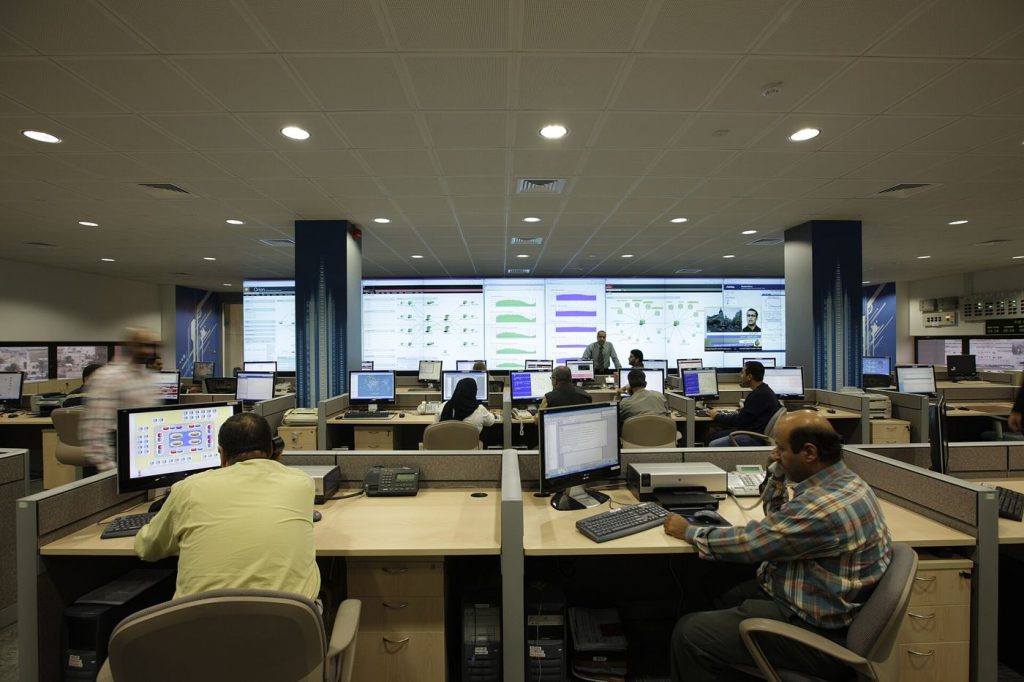
A security operations centre can receive tens of thousands of alerts in a day, and the overwhelming majority are harmless: a mistyped password, a software update behaving oddly, an employee logging in from a new café. Buried in that noise may be the first sign of a genuine intrusion, and tired analysts asked to judge everything will eventually miss something. Centres are therefore teaching software to perform first triage the way a good analyst would, gathering context before deciding what deserves human attention. Modern triage systems correlate an alert with asset records, recent changes, threat intelligence and the user’s normal patterns, then either close the obvious false alarms, enrich and queue the ambiguous cases or escalate the genuinely suspicious within seconds. The aim is not to remove analysts but to protect their attention for investigation and response, the work machines do badly. Early adopters report large reductions in queue volume, though they warn that badly tuned automation can just as efficiently discard a real attack. That risk drives a discipline of sampling: analysts audit a slice of automatically closed alerts every day, and every automated decision must be explainable enough for a human to reconstruct later in an incident review or a courtroom.
What the Evidence Shows
The change is reshaping the analyst’s job rather than abolishing it. Junior staff once spent their first years clearing repetitive alerts; now they are trained sooner in hunting, forensics and communication with the wider business during incidents. Vendors compete on how transparently their systems reason, because security leaders have learned to distrust confident black boxes in a field where adversaries actively probe for blind spots. Attackers adapt too, shaping their activity to look like the benign noise that triage systems are trained to dismiss, which is why the audit loop and periodic red-team testing matter as much as the software itself. Centres also share anonymised triage outcomes through industry groups, so a pattern recognised at one organisation can sharpen filters elsewhere without exposing sensitive details. Regulation is catching up, with incident reporting rules that assume fast, well documented detection. Measured honestly, automated triage is neither magic nor menace: it is a way of spending scarce expert attention where it counts. The centres that benefit most treat it as a junior colleague under supervision, fast, tireless and fallible, whose work is checked and whose mistakes feed back into training for the whole team. Reporting and analysis from sources such as MIT Technology Review track the same developments, and specialists following automated triage in security operations centres say the direction is now consistent across independent lines of evidence.
The Wider Context
The wider context is an industry learning to ship capability and restraint together. Products built around automated triage in security operations centres now launch with safety evaluations, usage data and rollback plans as standard, because enterprise buyers and regulators ask for them in the first meeting. Companies that treated those questions as friction are discovering they have become the purchase criteria.
What Happens Next
What happens next for automated triage in security operations centres depends less on another breakthrough than on the unglamorous work of reliability, pricing and support. The buyers evaluating it now are not enthusiasts; they are operators with budgets and auditors, and their checklists will decide the timeline. On the evidence of the current pilots, the technology has earned the right to be judged by them. You can follow related developments in our coverage of technology.
There is a practical lesson in all of this for readers deciding what to do today. Start with the verified facts, be wary of anyone promising certainty, and prefer reversible steps while the evidence is still developing. Circumstances differ by country, income and personal situation, so general guidance should always be weighed against your own context before you act on it in any significant or lasting way.